
Mindfulness rooted in dignity.Leadership grounded in human connection.
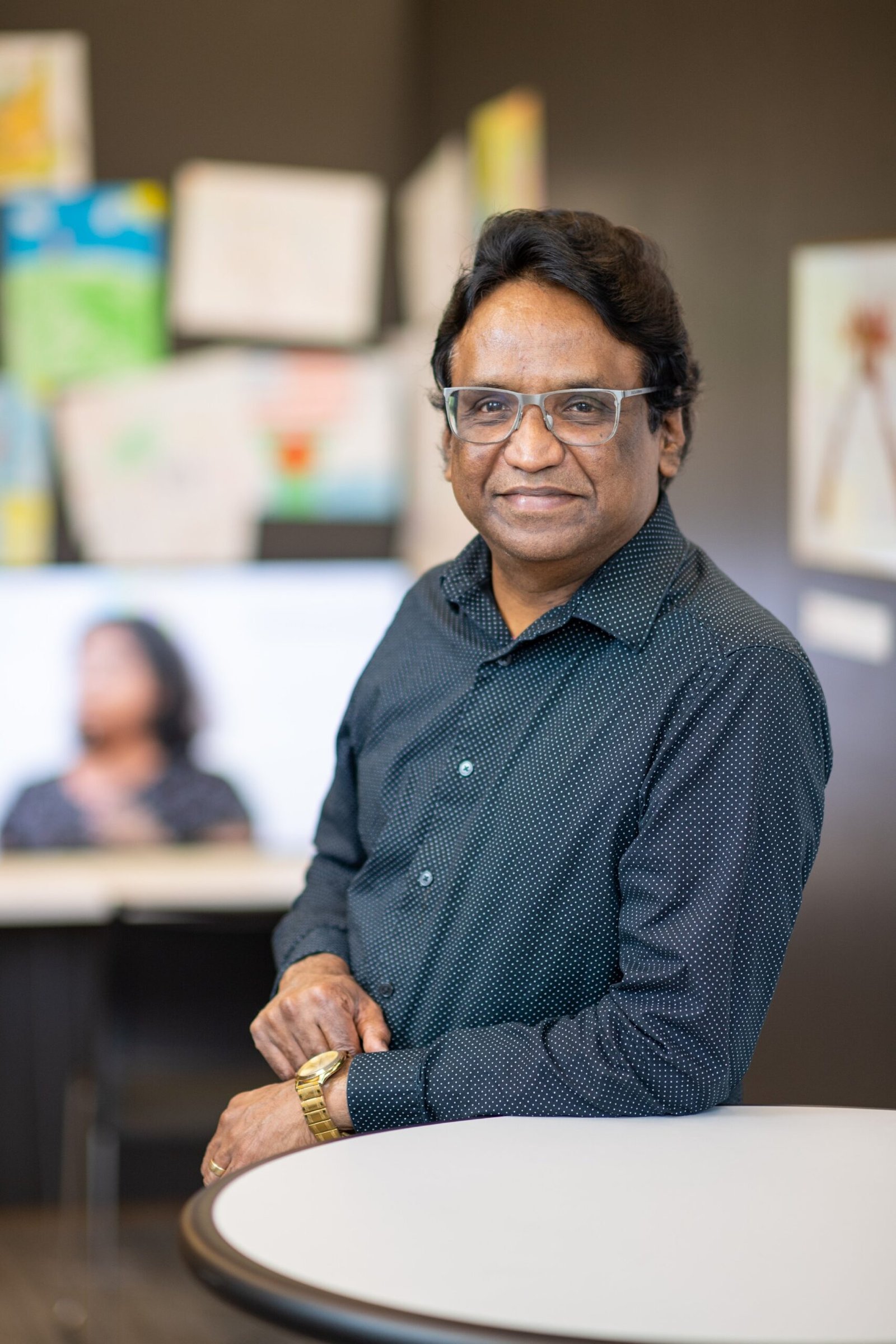
Affiliations
What is Mindful Dignity?
Mindfulness that sees the whole human being
Mindful Dignity extends mindfulness beyond individual well-being. It asks how awareness can deepen human connection, reveal invisible forms of labor and exclusion, and lead to more compassionate and dignified action.
- 1AwarenessNoticing what is actually here.
- 2ConnectionLetting what we notice matter.
- 3RecognitionNaming the worth of another person.
- 4Dignified ActionChanging how we act and decide.
Explore the work
Four ways into Mindful Dignity
Research
Evidence-based research on culture, identity, work, mindfulness, healthcare, and human dignity.
Explore ResearchLeadership
Dignity-centered leadership for universities, organizations, healthcare institutions, and social-impact communities.
Explore LeadershipLearning
Courses, guided meditations, journals, educational resources, and contemplative practices.
Start LearningSpeaking
International keynotes and workshops on mindfulness, dignity, cultural humility, and human connection.
Invite RamMindfulness, Dignity, and the Art of Human Connection
- Module 1 — Awareness and the self
- Module 2 — Seeing invisible labor
- Module 3 — Cultural humility and difference
- Module 4 — Dignity in institutions
“I expected a mindfulness course. I received a course on how to be a person among people.”Course participant, Spain
Research
Researching dignity across cultures, workplaces, and institutions
Professor Mahalingam's work explores how identity, culture, mindfulness, social inequality, work, and institutional life shape the experience of dignity.
Invisible and Essential Labor
How janitors, service workers, and facilities staff experience dignity, invisibility, recognition, and institutional life.
14 related publications
Read this researchDignity in Healthcare
How dignity shapes the experiences of patients, healthcare professionals, institutions, and caregiving environments.
9 related publications
Read this researchGender, Technology, and Work
How gender, culture, identity, technology, and professional life intersect in contemporary organizations.
11 related publications
Read this researchMindfulness, Learning, and Leadership
Contemplative practice, student well-being, cultural humility, and leadership development.
17 related publications
Read this researchIdeas
Recent writing
Speaking
Ideas for a more connected and dignified world
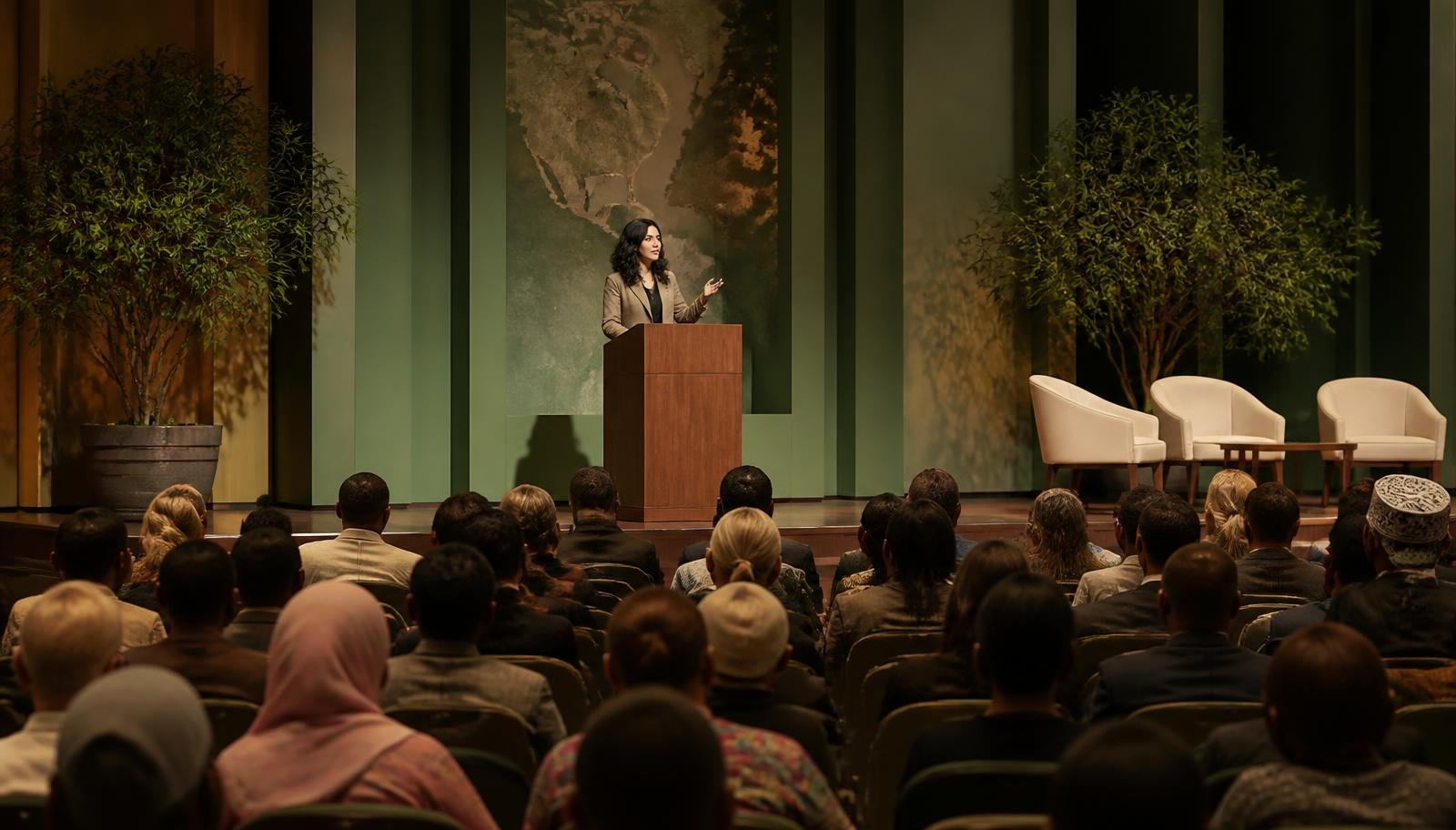
Professor Mahalingam speaks to universities, conferences, healthcare institutions, leadership programmes, nonprofit organizations, and global professional communities.
“A keynote that was rigorous and deeply moving. Our delegates were still discussing it days later.”Programme Chair, International Mindfulness Conference, Singapore
Impact
What people say
“This course changed how I notice people. I now see the labor that holds my campus together.”
Graduate student · Public Health
University of Michigan · United StatesShared with permission
Latest
News and updates
Publication
New article on dignity and janitorial labor published
12 June 2026
Speaking
Keynote at the International Conference on Mindfulness–Asia Pacific
3 September 2026
Media
Podcast conversation on mindfulness and social justice
28 May 2026
Essay
Why Mindfulness Must Include Dignity
14 May 2026
Book
Forthcoming book announced with Glass Literary Management
2 April 2026
Course
New module added to the Coursera course
19 March 2026
Newsletter
The Mindful Dignity Letter
Occasional reflections on mindfulness, dignity, culture, leadership, research, and human connection.
How can we become more fully aware of one another — and turn that awareness into dignity?